

Gum Disease Plan Tampa: From Bleeding to Healthy Gums

Gum Disease Plan Tampa: From Bleeding to Healthy Gums

Bleeding when you floss isn’t “normal”—it’s an early warning sign. Left alone, gum inflammation (gingivitis) can progress to periodontitis, where bone recedes and teeth loosen. The good news? With a structured plan and consistent home care, we can stop the cycle and help your gums feel firm, calm, and healthy again. Here’s how Elevate Smiles Dental diagnoses gum disease, what modern therapy involves, and the daily habits that make your results last.

How Gum Disease Develops

Dental plaque, a sticky film of bacteria, collects at the gumline. If it’s not disrupted thoroughly, gums react—first with redness and bleeding (gingivitis). Over time, plaque hardens into tartar that harbors more bacteria and pulls the gum attachment deeper, creating “pockets.” In periodontitis, pockets deepen and bone levels drop. The mission: remove tartar, disrupt bacteria, and help tissue reattach.

Diagnosis: Numbers Tell the Story

We measure pocket depths around each tooth, note bleeding points, and review X-rays for bone levels. We’ll show you where inflammation concentrates and discuss your risk factors—smoking, diabetes, dry mouth, grinding, or crowded teeth. Your plan is tailored to your mouth, not a one-size script.

Treatment: Scaling & Root Planing (Deep Cleaning)

For pockets beyond what a routine cleaning can reach, scaling and root planing removes tartar under the gumline and smooths root surfaces. This allows gums to heal and reattach more tightly. We keep you comfortable with local anesthetic and a calm pace. Some patients prefer breaking therapy into quadrants; others complete it in fewer visits.

Antimicrobial Support and Re-Evaluation

In select areas, localized antimicrobials or an antimicrobial rinse can reduce bacterial load. Four to six weeks after therapy, we recheck pockets and bleeding. Improvement is usually dramatic when home care is consistent.

Maintenance: The Real Secret to Stability

After therapy, we adjust your cleaning interval—often every 3–4 months—to prevent bacteria from reestablishing. We’ll coach targeted home care and track your progress. Many patients see pocket depths shrink and bleeding disappear with this rhythm.

Home Care That Works (and You’ll Actually Do)

  • Brush technique: Soft brush, bristles angled at the gumline, small circles for two minutes.
  • Between-teeth cleaning: Floss or water flosser daily; interdental brushes for larger spaces.
  • Fluoride: A fluoride toothpaste strengthens root surfaces and reduces sensitivity during healing.

Gum Health and the Rest of You

Lowering oral inflammation supports overall wellness. While research continues to explore connections with diabetes and heart health, one thing is clear: comfortable, non-bleeding gums make daily life better—eating, sleeping, and smiling all improve.

What If a Tooth Is Compromised?

If bone loss is advanced around a specific tooth, we’ll discuss targeted strategies—splinting for stability, bite adjustments, or, in some cases, extraction with replacement. Should a tooth be non-restorable, we’ll map a plan for dental implants or dentures, always focusing on function and long-term tissue health.

FAQs

Will deep cleaning hurt? We numb thoroughly and check comfort as we go. Expect mild tenderness after; it fades quickly as tissues heal.

Can gums grow back? Inflamed tissue tightens as it heals, but recession doesn’t “regrow.” In select areas, soft-tissue grafting can improve coverage and comfort.

How do I keep results? Maintenance visits and daily home care. We’ll personalize your interval and give real-world tips that fit your routine.

Your Healthy-Gum Plan Starts Here

We pair thorough, gentle therapy with simple habits you can sustain. Explore our gum disease therapy page for details, and see how it integrates with general dentistry and long-term planning like implants when needed.

Seeing bleeding or tenderness? Call Elevate Smiles Dental at 813-308-9489 to Book an Appointment or Contact Us. We’ll map a clear, comfortable path back to healthy gums.

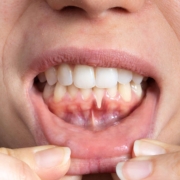
Gum Disease Signs You Shouldn’t Ignore — and What to Do Next

Gum Disease Signs You Shouldn’t Ignore and What to Do Next

Healthy gums are the foundation of every confident smile. Yet gum disease is common and often painless until it becomes advanced. If you’ve noticed bleeding when you brush, persistent bad breath, or receding gums, now is the time to act. Here’s how to recognize early warning signs, what treatment looks like, and how Elevate Smiles Dental helps you protect your gums for life.

What Is Gum Disease?

Gum disease begins as gingivitis—gum inflammation caused by plaque bacteria—then can progress to periodontitis, where the supporting bone around teeth begins to break down. The earlier we intervene, the simpler and more comfortable treatment tends to be.

Early Symptoms Many People Miss

  • Red, swollen, or tender gums.
  • Bleeding on brushing or flossing.
  • Bad breath that doesn’t improve with routine hygiene.
  • Gums pulling away from teeth (recession) or teeth looking “longer.”

Why It Matters for Overall Health

Untreated gum disease can contribute to tooth loss and has been linked in research to systemic issues like diabetes control challenges and cardiovascular concerns. Taking care of your gums is an investment in your whole-body health.

Diagnosis and Personalized Treatment

We measure pocket depths around each tooth, check for bleeding points, and review X-rays to assess bone levels. If gingivitis is present, a professional cleaning and improved home care can often reverse it. If signs point to periodontitis, we may recommend scaling and root planing (a deep cleaning) paired with targeted home strategies.

Deep Cleaning: What to Expect

Scaling and root planing remove tartar below the gumline and smooth root surfaces so gums can reattach more easily. We’ll keep you comfortable during treatment and split visits as needed. Afterward, you may notice less bleeding, firmer gums, and fresher breath as tissues heal.

Home Habits That Make the Difference

  • Brush twice daily with a soft brush and fluoride toothpaste.
  • Clean between teeth daily with floss or a water flosser.
  • Use an antimicrobial rinse if recommended.
  • Schedule routine cleanings and follow any personalized maintenance plan.

Recession, Sensitivity, and Aesthetics

Gum recession can expose root surfaces and cause sensitivity. Desensitizing treatments, bonding, or, in certain cases, grafting may help protect roots and improve comfort. We’ll review options to keep your smile healthy and attractive.

Who’s at Higher Risk?

Smoking, poorly controlled diabetes, dry mouth, and certain medications can increase risk. If you’re pregnant, hormonal changes can make gums more reactive—another reason to keep preventive visits on schedule.

Why Choose Elevate Smiles Dental in Tampa

Our team combines gentle, thorough cleaning techniques with coaching that fits real life. If you need restorative or cosmetic care after periodontal treatment—such as implants to replace a compromised tooth or cosmetic enhancements—we coordinate care under one roof.

Concerned about bleeding gums? Let us help you get back on track. Call Us Today or Contact Us for a periodontal evaluation.

Gum Disease Treatment in Tampa, FL: Protecting Your Smile from the Inside Out

Gum disease is one of the most common yet overlooked oral health issues in America. While early symptoms may seem mild, untreated gum disease can silently progress and lead to serious complications—including tooth loss, bone deterioration, and even increased risks to your overall health.

If you’ve noticed bleeding gums, persistent bad breath, or gum recession, you might be experiencing early signs of periodontal disease. The good news? With proper gum disease treatment, you can stop the damage and restore your gum health before it’s too late.

What Is Gum Disease?

Gum disease—also known as periodontal disease—is an infection of the tissues that surround and support your teeth. It’s usually caused by plaque buildup along and beneath the gumline. When not properly removed through daily brushing and flossing, plaque hardens into tartar, which harbors bacteria that inflame and damage the gums.

There are two main stages of gum disease:

  • Gingivitis – the earliest and mildest form, marked by red, swollen, or bleeding gums. It is reversible with professional cleaning and good home care.
  • Periodontitis – an advanced form where the infection spreads below the gums, damaging bone and ligaments. This can lead to tooth mobility and loss if untreated.

Warning Signs of Gum Disease

Gum disease doesn’t always cause pain in its early stages, so it often goes unnoticed. However, there are several warning signs to look out for:

  • Bleeding while brushing or flossing
  • Persistent bad breath or a bad taste in your mouth
  • Gums that are red, swollen, or tender
  • Receding gums or longer-looking teeth
  • Loose teeth or changes in your bite
  • Pus between your teeth and gums

If you notice any of these symptoms, schedule a periodontal evaluation at Elevate Smiles Dental right away. Early intervention can prevent lasting damage.

How We Treat Gum Disease at Elevate Smiles Dental

At Elevate Smiles Dental, we take a proactive, personalized approach to gum disease treatment in Tampa, FL. Dr. Mazariegos and our skilled team use advanced diagnostic tools and gentle techniques to restore your gum health effectively.

Treatment options vary depending on the severity of the condition. Here’s what you can expect:

1. Deep Cleaning (Scaling and Root Planing)

This non-surgical procedure is the first line of defense against periodontal disease. Using specialized tools, we remove plaque and tartar from above and below the gumline (scaling) and smooth the root surfaces to help gums reattach (root planing).

2. Periodontal Maintenance

After deep cleaning, we may recommend more frequent cleanings—usually every 3–4 months—to prevent recurrence. Regular visits help us monitor healing and remove any new buildup.

3. Local Antibiotic Therapy

In some cases, we apply localized antibiotics directly into the periodontal pockets to eliminate remaining bacteria and promote healing.

4. Laser Gum Therapy

For more advanced cases, we may use dental lasers to target infected tissue with precision while promoting faster healing and less discomfort.

5. Surgical Intervention (for Severe Cases)

If gum disease has caused extensive damage, we may refer you to a trusted periodontist for surgical options such as flap surgery, bone grafting, or soft tissue regeneration.

Why Early Gum Disease Treatment Matters

Gum disease doesn’t just affect your mouth—it’s linked to other serious health issues like heart disease, diabetes, stroke, and respiratory illne

 Will Gum Disease Affect Veneers?

When your Tampa, FL dentist examines you to see if you’re a good candidate for dental veneers, they’re looking for overall healthy teeth and gums. Remember, dental veneers are not a form of treatment, although they can address certain issues of the teeth. Veneers are a purely cosmetic “fix,” though. They fix appearance, not underlying problems. For instance, veneers fix a smile so that gaps, permanent stains and other certain imperfections are hidden behind the veneers. When it comes to serious conditions such as gum disease, dental veneers and gum disease don’t mix well.

Problems With Gum Disease

Gum disease, also called periodontitis, is a serious condition where the gums of the mouth are infected with bacteria. It’s serious because gum disease often makes teeth loose and—untreated—can end up with permanent tooth loss. This is something that no dental veneers, no matter how beautiful they are, can address.

Gum Disease and Dental Veneers

Your dentist will need to treat any existing gum disease before applying veneers. But in the end, after your teeth and gums are free from periodontitis, you can enjoy the more attractive appearance made possible with the veneers.

If you develop gum disease after the dental veneers are in place, the sad fact is that the veneers can’t protect your teeth or gums. Again, they’re only there for cosmetic purposes. If you don’t get your gum disease treated, your affected teeth may loosen and fall out, just as they would if you had no dental veneers at all. And in a scenerio like that, you’d be looking at restorative—not cosmetic solutions.

If you have dental veneers in Tampa, FL, or you’re thinking of getting dental veneers, it’s important to visit your dentist for routine dental exams. Contact us today to start!