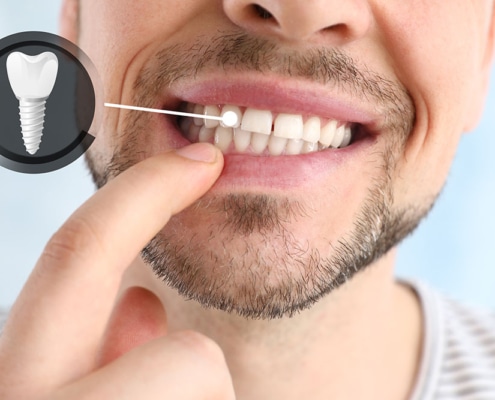
Have you ever imagined enjoying your favorite foods without hesitation, or speaking with friends without worrying about your smile? When there’s a gap in your smile, even simple everyday moments can feel more complicated—from choosing what to order at a restaurant to laughing freely in conversation. The good news is that modern dentistry offers a reliable, long-lasting solution. This guide explores how dental implants can enhance your oral health and bring back the confidence you deserve.
Understanding the Basics of Dental Implants
Dental implants replace missing teeth using durable artificial roots made of biocompatible titanium. A small titanium post is surgically placed into the jawbone, where it acts as a sturdy anchor for a natural-looking replacement tooth. Unlike dentures or bridges that sit on top of the gums, an implant replicates the function of a natural tooth root—helping maintain bone structure and preserving your facial shape over time.
Because implants integrate directly with the jawbone, they provide a level of stability and comfort that closely mirrors your original teeth. This means you can eat, speak, and smile with confidence, knowing your restoration is securely in place.
How Dental Implants Work
When a tooth is lost, the bone in that area gradually begins to reabsorb. Over time, this can lead to noticeable changes in jaw shape and facial appearance. Dental implants address this by fusing with the jawbone through a natural process called osseointegration, which helps maintain bone integrity and prevents the deterioration that often follows tooth loss.
Once the implant has fully integrated, it supports a replacement tooth—typically a custom crown—that looks, feels, and functions just like a natural tooth. The result is a restoration that not only fills the gap in your smile but also preserves the health and structure of your jaw.
What to Expect During the Implant Process
The dental implant process typically unfolds in several stages, each designed to ensure the best possible outcome for your smile:
- Initial Consultation: Your dentist evaluates your overall oral health, takes diagnostic images, and determines whether you’re a good candidate for implants. This is also the time to discuss your goals and ask questions about the process.
- Placement: The titanium implant post is placed into the jawbone through a minor surgical procedure. Most patients find this step more comfortable than expected, with local anesthesia keeping you at ease throughout.
- Healing Phase: Over the following weeks to months, the implant undergoes osseointegration—fusing securely with the surrounding bone. This healing period is essential for creating a strong, lasting foundation.
- Final Restoration: Once healing is complete, a customized crown is attached to the implant. The crown is carefully matched to the color, shape, and size of your surrounding teeth for a seamless, natural appearance.
Key Benefits of Dental Implants
Improved Confidence and Functionality
Dental implants restore your ability to bite, chew, and speak clearly—functions that can be compromised when teeth are missing. Unlike removable dentures, implants stay firmly in place, so you can enjoy your favorite foods and engage in conversations without worry. Many patients say that getting implants feels like getting a part of themselves back.
Protection of Oral Structures
One of the standout advantages of dental implants is that they stand alone—they don’t rely on neighboring teeth for support the way traditional bridges do. This means your healthy teeth remain untouched. According to the American Academy of Implant Dentistry (AAID), implants also help maintain bone mass in the jaw, preventing the bone loss that commonly occurs after tooth extraction.
Long-Lasting and Reliable
With proper care, dental implants can last for decades—often a lifetime. The American Dental Association (ADA) reports that implants have a high success rate, making them one of the most dependable options in restorative dentistry. Compared to alternatives that may need replacement every several years, implants offer exceptional long-term value.
Who Is a Good Candidate?
Healthy Gums and Adequate Bone
Successful implant placement requires healthy gum tissue and sufficient jawbone density to support the titanium post. If bone loss has occurred, a bone graft procedure can often rebuild the area and make implant placement possible. Your dentist will assess your bone structure during the initial consultation to determine the best path forward.
Commitment to Oral Care
Dental implants thrive with consistent oral hygiene. Regular brushing, daily flossing, and following your dentist’s recommendations for checkups and cleanings are essential to keeping your implant healthy and ensuring it lasts as long as possible.
Lifestyle Factors
Certain lifestyle habits can affect the success of dental implants. Smoking, for example, slows the healing process and can interfere with osseointegration. If you smoke, your dentist may recommend a cessation plan before proceeding with implant placement to give your body the best chance at a successful outcome.