

Root Canal in Tampa: Save Your Tooth and Stop the Pain

Root Canal in Tampa: Save Your Tooth and Stop the Pain

If the words “root canal” make you nervous, you’re not alone. The reality is more reassuring: today’s root canal therapy is designed to stop infection, relieve pain, and save your natural tooth—often in one comfortable visit. If you’re feeling hot-and-cold sensitivity, lingering ache, or pain when chewing, this guide explains what’s happening inside your tooth and how a root canal in Tampa can help.

Why Teeth Need Root Canal Therapy

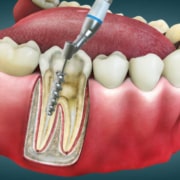
Inside each tooth is a soft tissue called the pulp, which can become inflamed or infected from deep decay, cracks, or trauma. When bacteria reach the pulp, pain and sensitivity often follow. A root canal removes the infected tissue, disinfects the canal, and seals the space so the tooth can function again.

Step-by-Step: What Happens During Treatment

  1. Numbing & comfort: Your tooth and surrounding area are fully anesthetized.
  2. Access & cleaning: A tiny opening lets your dentist gently clean and shape the canals.
  3. Disinfection & filling: The canals are disinfected and filled with a biocompatible material.
  4. Seal & protect: The opening is sealed; many teeth need a dental crown to protect against fracture.

Does a Root Canal Hurt?

Most patients are surprised by how routine it feels. With modern techniques and anesthesia, the procedure is typically comfortable. In fact, the goal is to relieve pain—not cause it.

Healing & Aftercare

  • Expect mild tenderness for a day or two; over-the-counter options usually help.
  • Chew on the other side until your final restoration is placed.
  • Keep up gentle brushing and flossing, and return if bite feels “high.”

Saving the Tooth vs. Extraction

When possible, preserving your natural tooth with a root canal offers everyday advantages: natural chewing, stable bite alignment, and often lower lifetime cost compared with removing the tooth and replacing it. If a tooth is too damaged, we’ll discuss alternatives such as dental implants or a dental bridge.

Who Is a Good Candidate?

Anyone with a restorable tooth that shows signs of pulp inflammation or infection. We’ll confirm with an exam and digital X-rays, then recommend the most predictable path to comfort and function.

FAQs

How long does it take? Many cases can be completed in a single visit, though complex roots may need a follow-up. Will I need a crown? Back teeth typically benefit from a crown; front teeth may be restored with a filling if structure allows. How soon can I eat? After numbness wears off, stick to softer foods until your final restoration is placed.

Why Choose Elevate Smiles Dental in Tampa?

Our compassionate team focuses on comfort, clear communication, and long-term results. Because we also provide emergency dentistry, you’ll get prompt guidance if a sudden toothache strikes.

Next Steps

If you’re living with tooth pain, don’t wait. A timely root canal can stop infection, protect your smile, and help you feel like yourself again.

Image ideas (royalty-free)

  • Illustration of tooth cross-section — alt: “Tooth anatomy showing infected pulp before root canal”
  • Modern dental operatory — alt: “Tampa dental operatory prepared for root canal treatment”
  • Smiling adult enjoying hot coffee — alt: “Comfortable sensitivity-free smile after root canal in Tampa”

Tooth pain today? Reach Elevate Smiles Dental at Call Us Today or Contact Us to schedule your root canal evaluation in Tampa.
Root Canals Aren’t the Enemy: How They Actually Save Your Smile

When most people hear the words root canal, they flinch. It’s the dental procedure that’s inspired more movie jokes and nervous laughter than probably anything else in dentistry.

But here’s the honest truth: root canals are one of the most misunderstood treatments around.

Root canals don’t cause pain—they relieve it. And in many cases, they’re the only thing standing between you and losing a natural tooth.

So let’s take a breath, set the record straight, and talk about what a root canal really involves—and why you might be glad it’s an option.

What Is a Root Canal, Exactly?

At its core, a root canal is a procedure that removes infection from inside a tooth. It’s used when the soft inner tissue (called the pulp) becomes inflamed or infected due to deep decay, repeated dental work, cracks, or trauma.

The pulp houses the tooth’s nerves and blood vessels. Once it’s infected, the pain can range from dull throbbing to full-on pounding. If left untreated, the infection can spread—leading to abscesses, bone loss, and even systemic health issues.

A root canal stops the infection in its tracks by:

  • Removing the diseased pulp
  • Cleaning and disinfecting the inner chambers
  • Sealing the space to prevent reinfection

It’s like giving your tooth a second life—minus the pain.

Signs You Might Need a Root Canal

Root canal symptoms can start subtle but usually ramp up if ignored. You might notice:

  • Lingering tooth pain, especially when chewing
  • Sensitivity to hot or cold that doesn’t go away
  • Swollen or tender gums
  • Darkening of the tooth
  • A small pimple-like bump on the gum (sign of an abscess)
  • A foul taste or odor from the affected area

If any of these sound familiar, it’s time to get checked. The sooner the issue is addressed, the easier (and more comfortable) the treatment will be.

What Happens During the Procedure?

Forget what you’ve heard—modern root canals are nothing like the horror stories of the past. Thanks to advanced technology and local anesthesia, the procedure is usually no more uncomfortable than getting a filling.

Here’s what to expect:

  1. Numbing the area: You won’t feel pain during the procedure. Your dentist makes sure the area is fully anesthetized.
  2. Accessing the pulp: A small opening is made in the crown of the tooth to reach the infected pulp inside.
  3. Cleaning and shaping: The diseased tissue is removed, and the inside of the root canals is cleaned, disinfected, and shaped for filling.
  4. Sealing the canals: The canals are filled with a rubber-like material called gutta-percha to seal out bacteria.
  5. Restoring the tooth: A crown is usually placed on top to restore strength and protect the tooth long-term.

The entire process is often completed in one or two visits—and most people return to work or regular activities the very same day.

Why Root Canals Are Often Better Than Extractions

Sure, you could pull the tooth. But what then?

Missing teeth don’t just leave a gap—they can throw your bite off, cause surrounding teeth to shift, and lead to bone loss over time.

Root canals save your natural tooth, which is almost always the healthiest, most functional option. It lets you chew naturally, maintain your natural alignment, and avoid more costly or invasive treatments down the line.

Plus, according to the American Association of Endodontists (AAE), teeth treated with root canals can last a lifetime with proper care.

Benefits of Root Canal Treatment – Backed by Science

Root canals get a bad rap—but professionally, they’re viewed as one of the most predictable, successful dental procedures available.

Here’s what the research and experience say:

  • High Success Rate: Studies show root canal treatments have a long-term success rate of over 90%.
  • Pain Relief: Contrary to the myth, root canals eliminate tooth pain caused by infection.
  • Tooth Preservation: Keeping your natural tooth preserves your jawbone and overall oral structure.
  • Quick Recovery: Most patients return to daily routines with little to no downtime.
  • Cost-Effective: Less expensive long-term than replacing a tooth with an implant or bridge.

Sources: Journal of Endodontics, American Dental Association, AAE Clinical Guidelines

Aftercare: What You Need to Know

After your root canal, mild tenderness is normal for a day or two. Over-the-counter pain meds are usually all that’s needed. It’s important to:

  • Avoid chewing on the treated tooth until your crown is placed
  • Keep up with good oral hygiene
  • Follow up for your permanent restoration (don’t skip it!)
  • Schedule regular dental checkups

The crown is key—it reinforces the tooth and seals it against future issues. Without it, the tooth may become brittle over time.

Common Root Canal Myths—Busted

  • “Root canals are painful.”
    Truth: With modern techniques and anesthesia, the procedure is typically painless.
  • “It’s better to just pull the tooth.”
    Truth: Saving your natural tooth preserves function and avoids further dental complications.
  • “I don’t need a root canal if the tooth doesn’t hurt.”
    Truth: Some infected teeth don’t cause pain until late stages—regular dental checkups can catch issues early.

When to Call a Dentist

If you’re experiencing any of the symptoms mentioned earlier—or even just have a persistent toothache—it’s time to act. Ignoring the issue could mean losing the tooth or allowing an infection to spread.

Early treatment isn’t just easier—it’s more affordable, more comfortable, and more successful.

Root canals aren’t the nightmare they’ve been made out to be—they’re actually tooth-saving, pain-relieving, smile-preserving superheroes.

Need relief and peace of mind? Contact Elevate Smiles Dental at (813) 308-9489 or visit us at 206 N Howard Ave, Suite 2, Tampa FL 33606 to schedule your root canal evaluation and get back to smiling comfortably again.

Learn more about our Root Canal services here or schedule an appointment today.