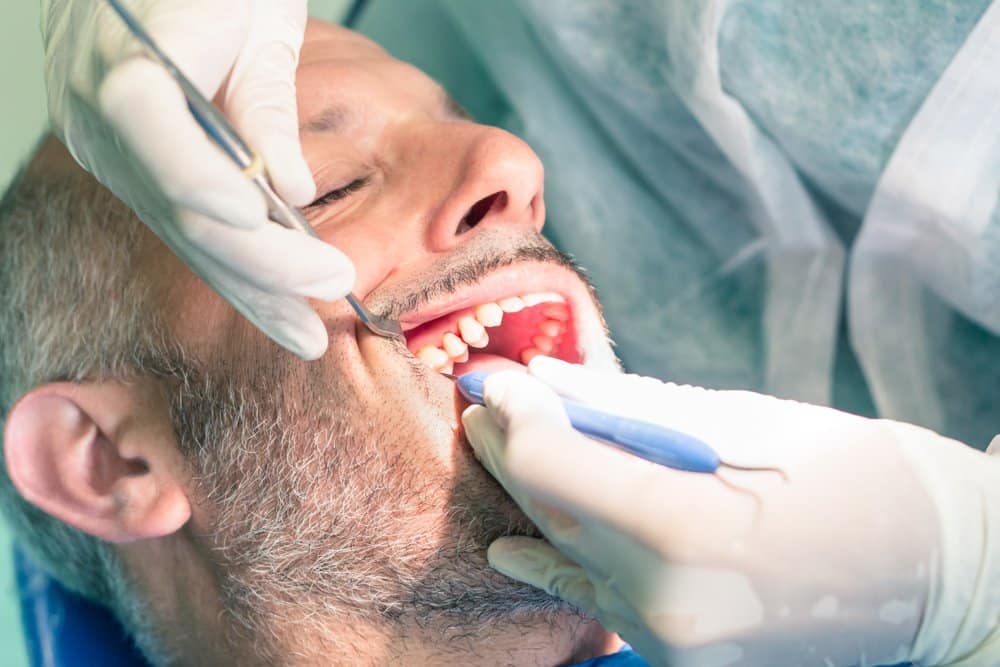
If the words “root canal” make you nervous, you’re not alone. The reality is more reassuring: today’s root canal therapy is designed to stop infection, relieve pain, and save your natural tooth—often in one comfortable visit.
Why Teeth Need Root Canal Therapy
Inside each tooth is a soft tissue called the pulp, which can become inflamed or infected from deep decay, cracks, or trauma. When bacteria reach the pulp, pain and sensitivity follow. A root canal removes the infected tissue, disinfects the canal, and seals the space.
Step-by-Step: What Happens During Treatment
1) Numbing & Comfort
The tooth and surrounding area are fully anesthetized so you remain comfortable throughout the procedure.
2) Access & Cleaning
A tiny opening allows gentle canal cleaning and shaping, removing all infected or inflamed pulp tissue.
3) Disinfection & Filling
The canals are thoroughly disinfected and filled with a biocompatible material to prevent reinfection.
4) Seal & Protect
The opening is sealed, and many teeth need a dental crown afterward to prevent fracture and restore full function.
Does a Root Canal Hurt?
Most patients are surprised by how routine it feels. With modern techniques and anesthesia, the procedure is typically comfortable. The goal is to relieve pain—not cause it.
Healing & Aftercare
- Expect mild tenderness for a day or two; over-the-counter options usually help.
- Chew on the other side until your final restoration is placed.
- Keep up gentle brushing and flossing, and return if your bite feels “high.”
Saving the Tooth vs. Extraction
Preserving your natural tooth offers natural chewing, stable bite alignment, and often lower lifetime cost. If a tooth is too damaged, we’ll discuss alternatives such as dental implants or a dental bridge.
Who Is a Good Candidate?
Anyone with a restorable tooth showing signs of pulp inflammation or infection. We confirm with an exam and digital X-rays.