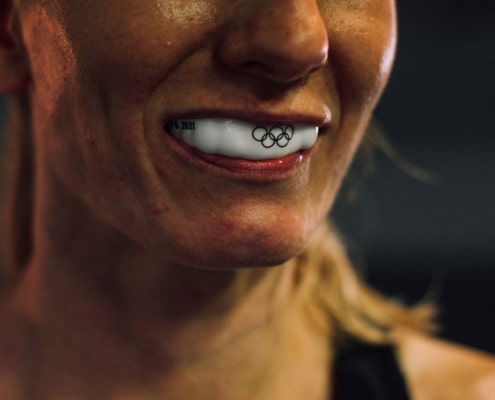
Tampa’s active lifestyle means sports are a year-round staple—from youth soccer leagues and flag football to adult basketball, cycling, and weekend softball. While staying active is great for overall health, sports also carry a real risk of dental injuries. A single collision, fall, or stray elbow can chip a tooth, fracture a crown, or knock a tooth out entirely. The good news? Most sports-related dental emergencies are preventable with the right gear, preparation, and awareness.
At Elevate Smiles Dental, we help Tampa athletes of all ages protect their smiles before injuries happen—and provide prompt, skilled care when they do. In this guide, we’ll cover the most common dental injuries in sports, the protective equipment that makes a real difference, best practices for prevention, and what to do if a dental emergency strikes on the field.
Common Dental Injuries in Sports
Dental injuries can happen in any sport, not just full-contact activities. Understanding what’s at risk helps you take the right precautions.
Chipped and Cracked Teeth
A blow to the face—whether from a ball, another player, or the ground—can chip or crack a tooth. Minor chips may only affect enamel, but deeper cracks can expose the inner layers of the tooth and cause significant pain and sensitivity.
Fractured Teeth and Roots
Harder impacts can fracture teeth vertically or horizontally, sometimes extending below the gumline into the root. Root fractures are particularly serious because they may not be visible and can compromise the long-term health of the tooth.
Knocked-Out Teeth (Avulsed Teeth)
A knocked-out permanent tooth is one of the most urgent dental emergencies. With quick action, there’s a chance the tooth can be reimplanted—but the window is narrow, usually within 30 to 60 minutes.
Soft Tissue Injuries
Cuts, tears, and bruises to the lips, gums, tongue, and inner cheeks are common in sports. While these often heal on their own, deep lacerations may require professional attention.
Who’s most at risk? Young athletes are especially vulnerable. Children and teens are still developing coordination and spatial awareness, and their permanent teeth may not yet be fully anchored. Contact sports like football, hockey, basketball, and martial arts carry the highest risk—but non-contact sports like gymnastics, skateboarding, and cycling account for a surprising number of dental injuries each year.
Essential Protective Gear for Athletes
The right protective equipment is the single most effective way to prevent dental injuries during sports. Here’s what every athlete should consider.
Mouthguards: Your First Line of Defense
Mouthguards absorb and distribute the force of impacts, protecting teeth, gums, and jaw joints. There are three main types:
- Custom-fit mouthguards: Made by your dentist from an impression of your teeth, these offer the best protection, comfort, and fit. They stay securely in place, allow normal breathing and speaking, and are the gold standard recommended by dental professionals.
- Boil-and-bite mouthguards: Available at sporting goods stores, these are softened in hot water and then molded to your teeth. They provide a reasonable fit at a lower cost, though they’re not as precise or durable as custom options.
- Stock mouthguards: Pre-formed and ready to wear, stock mouthguards are the most affordable but offer the least protection. They tend to fit loosely, making breathing and communication difficult—which means many athletes end up not wearing them consistently.
Helmets and Faceguards
In sports like football, baseball, hockey, and lacrosse, a properly fitted helmet with a faceguard or cage is essential. Helmets protect against concussions and skull injuries, while faceguards shield the lower face, jaw, and teeth from direct impacts.
Face Masks and Shields
Sports like basketball and soccer increasingly allow protective face masks after facial injuries. Clear polycarbonate shields or padded masks can protect healing teeth and prevent re-injury during recovery. Catchers, goalkeepers, and fielders in certain positions also benefit from specialized face protection.
Best Practices for Preventing Dental Emergencies
Protective gear is critical, but prevention goes beyond equipment. These habits reduce the likelihood of dental injuries across every sport.
- Wear your mouthguard every time: A mouthguard only works if you wear it—during practice, scrimmages, and games. Many injuries happen during practice when athletes skip protection.
- Follow the rules of the sport: Rules exist to keep players safe. Illegal hits, reckless play, and ignoring safety guidelines put everyone at higher risk for injury.
- Warm up properly: A good warm-up improves coordination, reaction time, and spatial awareness—all of which reduce the chance of accidental collisions and falls.
- Maintain your equipment: Replace worn-out mouthguards, cracked helmets, and damaged faceguards promptly. Equipment that doesn’t fit correctly or has lost its structural integrity won’t protect you when it matters most.
- Never use your teeth as tools: It sounds obvious, but athletes sometimes use their teeth to adjust equipment, open bottles, or tear tape. This is a fast path to a chipped or broken tooth.
- Keep up with regular dental checkups: Routine exams let your dentist identify weakened teeth, old restorations that may be vulnerable, or alignment issues that increase injury risk. Proactive care is always easier than emergency repair.
Steps to Take in a Dental Emergency
Even with the best prevention, accidents happen. Knowing what to do in the first few minutes after a dental injury can make the difference between saving and losing a tooth.
If a Tooth Is Knocked Out
- Handle the tooth by the crown only (the white part you see when you smile). Never touch the root—it contains delicate cells needed for reimplantation.
- Gently rinse the tooth with clean water if it’s dirty. Do not scrub, scrape, or use soap or chemicals.
- Try to reinsert the tooth into the socket if possible. Hold it in place by gently biting down on a clean cloth or gauze.
- If reinsertion isn’t possible, preserve the tooth in a container of cold milk, saline solution, or the athlete’s own saliva. Do not let the tooth dry out or store it in plain water.
- Get to a dentist within 30–60 minutes. The sooner the tooth is reimplanted by a professional, the better the chance of survival.
If a Tooth Is Chipped or Broken
- Rinse your mouth gently with warm water to clean the area.
- Apply a cold compress to the outside of the cheek near the injury to reduce swelling.
- Collect any tooth fragments and bring them to your dental appointment—in some cases, pieces can be bonded back.
- Cover sharp edges with dental wax or sugarless gum to protect your tongue and cheeks until you can see a dentist.
- Contact your dentist promptly. Even small chips should be evaluated to rule out deeper damage that isn’t visible on the surface.