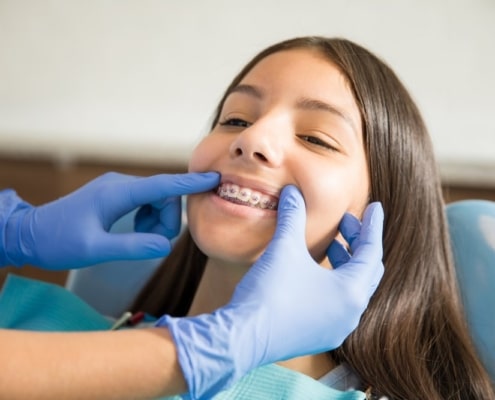
A child’s initial dental experience shapes their long-term attitudes toward dental care. With proper preparation and a child-friendly dental practice, the first appointment can be calm, efficient, and enjoyable.
When to Schedule the First Visit
The American Academy of Pediatric Dentistry recommends scheduling your child’s first dental visit by age one or within six months of the first tooth—whichever comes first. Early appointments familiarize children with the dental environment and allow practitioners to identify potential issues before they progress. Starting early also gives parents a chance to ask questions about teething, oral hygiene routines, and nutrition—setting the stage for a lifetime of healthy habits.
What Happens at the Appointment
The first visit is designed to be gentle and stress-free. Your child will receive a warm greeting from the team to help them feel comfortable right away. The dentist will discuss routines like feeding habits, brushing techniques, and any concerns you may have.
For very young children, the examination is often done knee-to-knee—where the parent and dentist sit facing each other and the child lies across both laps. Older toddlers may sit in the dental chair on their own or in a parent’s lap. The dentist will check for early signs of decay, evaluate gum health, and assess jaw and bite development.
A light cleaning to remove plaque and a fluoride application are common parts of the visit. The dentist will also discuss preventive options including sealants to protect molars and mouthguards for young athletes who are active in sports.
Tips to Make It Easy (Before You Arrive)
- Pick the right time: Schedule the appointment when your child is well-rested and fed. A morning slot often works best before nap time or afternoon fatigue sets in.
- Practice at home: Pretend play can go a long way—count your child’s teeth with a toothbrush, let them “examine” a stuffed animal, or read dental-themed books together.
- Keep language positive: Use simple, upbeat phrases like “We’re going to meet our smile helpers” rather than words that might cause worry like “shot” or “hurt.”
- Bring comfort items: A favorite toy, small blanket, or familiar object can provide reassurance in a new environment.
Building Healthy Habits Early
Good oral health starts at home. For toddlers, use a rice-sized amount of fluoride toothpaste and brush twice daily. Once your child turns three, increase to a pea-sized amount. Nightly flossing should begin as soon as two teeth touch each other.
Reducing frequent snacking and sugary beverages—including juice—helps protect developing teeth from decay. Water and milk are the best choices between meals. Establishing regular six-month checkups keeps your child’s oral health on track and reinforces the idea that visiting the dentist is a normal, positive part of life.
Common Topics Parents Ask About
- Pacifiers & thumb-sucking: Most children outgrow these habits naturally. If the habit persists past age three or four, gentle transition strategies can help without creating stress or anxiety.
- Fluoride safety: Fluoride is safe and effective when used as directed. It strengthens enamel and helps prevent cavities—even in very young children.
- X-rays: Dental X-rays are only taken when necessary and use low-dose digital technology to minimize exposure. They help detect issues between teeth and below the gum line that aren’t visible during a visual exam.
- Diet: Water, milk, fruits, vegetables, cheese, and lean proteins are the best choices for growing smiles. Save sweets for mealtimes rather than snacking throughout the day, and avoid sticky candies that cling to teeth.
When a Little Extra Support Helps
Some children need more time and reassurance to feel comfortable in the dental chair—and that’s perfectly normal. Our team uses tell-show-do techniques, where each step is explained and demonstrated before it happens. Distraction strategies like counting games and storytelling keep young minds engaged, while positive reinforcement celebrates every milestone.
For children requiring more extensive treatment, we create stepwise plans that break care into manageable visits. Collaborative parent communication ensures you’re informed and involved every step of the way, so your child always feels supported.
How Our Office Makes It Fun
At Elevate Smiles Dental, our welcoming team and modern, bright facilities are designed with families in mind. We use simple explanations that children can understand, celebrate achievements big and small, and focus on building parental confidence about home care routines. Every visit is an opportunity to show your child that the dentist is a friendly, safe place—setting them up for a lifetime of healthy smiles.