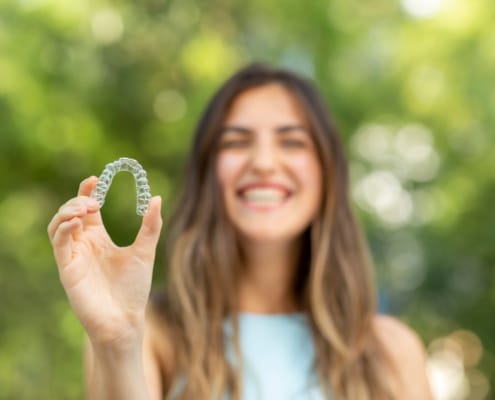
Wish you could straighten your teeth without brackets, wires, or endless food restrictions? Invisalign aligners were designed to make orthodontic care more comfortable, convenient, and discreet for busy adults and teens.
How Invisalign Moves Teeth
Custom BPA-free plastic aligners apply gentle, targeted forces guiding teeth into ideal positions. Patients wear aligners 20–22 hours daily, removing them for meals and brushing. Every 1–2 weeks, users switch to the next set. Digital planning previews outcomes and maps the treatment path.
Benefits Patients Love
- Nearly Invisible: Most people won’t notice ongoing treatment.
- Eat What You Love: Aligners remove for meals without food restrictions.
- Simpler Hygiene: Normal brushing and flossing possible.
- Comfort: Smooth edges reduce mouth sores versus brackets.
Who’s a Candidate?
Invisalign addresses crowding, spacing, many bite issues, and relapse after previous orthodontics. Active gum disease or untreated cavities must be resolved first.
Your First Visit and Digital Scan
Photos, X-rays if necessary, and digital scanning. 3D planning simulates tooth movement, estimates timelines, and designs attachments. Patients receive a preview before receiving their first tray.
Daily Life With Aligners
Remove aligners only for eating, non-water beverages, and hygiene. Rinse aligners when removed and brush gently once daily. Keep storage cases available.
Speed and Predictability
Cases typically range from several months to about a year depending on complexity. Success depends on consistent wear. Periodic check-ins track progress.
Attachments, IPR, and Refinements
Attachments enhance aligner grip. Some cases require IPR—gentle polishing between teeth for movement space. Refinement trays near treatment completion fine-tune details.
Retention: Keeping Your Results
Post-treatment retainers maintain alignment. Initial nightly wear gradually reduces as the bite stabilizes.