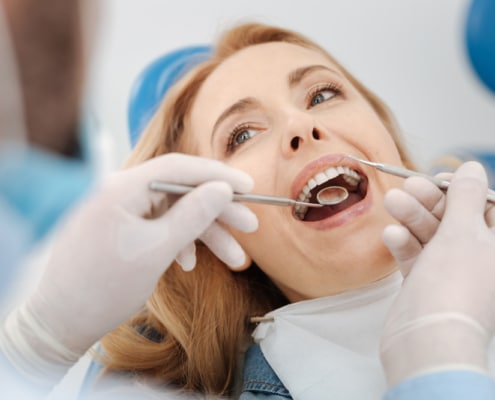
Healthy gums are the foundation of every confident smile. Yet gum disease is common and often painless until it becomes advanced. If you’ve noticed bleeding when you brush, persistent bad breath, or receding gums, now is the time to act. Here’s how to recognize early warning signs, what treatment looks like, and how Elevate Smiles Dental helps you protect your gums for life.
What Is Gum Disease?
Gum disease begins as gingivitis—gum inflammation caused by plaque bacteria—then can progress to periodontitis, where the supporting bone around teeth begins to break down. The earlier we intervene, the simpler and more comfortable treatment tends to be.
Early Symptoms Many People Miss
- Red, swollen, or tender gums
- Bleeding on brushing or flossing
- Bad breath that doesn’t improve with routine hygiene
- Gums pulling away from teeth (recession) or teeth looking “longer”
Why It Matters for Overall Health
Untreated gum disease can contribute to tooth loss and has been linked in research to systemic issues like diabetes control challenges and cardiovascular concerns. Taking care of your gums is an investment in your whole-body health.
Diagnosis and Personalized Treatment
We measure pocket depths around each tooth, check for bleeding points, and review X-rays to assess bone levels. If gingivitis is present, a professional cleaning and improved home care can often reverse it. If signs point to periodontitis, we may recommend scaling and root planing (a deep cleaning) paired with targeted home strategies.
Deep Cleaning: What to Expect
Scaling and root planing remove tartar below the gumline and smooth root surfaces so gums can reattach more easily. We’ll keep you comfortable during treatment and split visits as needed. Afterward, you may notice less bleeding, firmer gums, and fresher breath as tissues heal.
Home Habits That Make the Difference
- Brush twice daily with a soft brush and fluoride toothpaste
- Clean between teeth daily with floss or a water flosser
- Use an antimicrobial rinse if recommended
- Schedule routine cleanings and follow any personalized maintenance plan
Recession, Sensitivity, and Aesthetics
Gum recession can expose root surfaces and cause sensitivity. Desensitizing treatments, bonding, or, in certain cases, grafting may help protect roots and improve comfort. We’ll review options to keep your smile healthy and attractive.
Who’s at Higher Risk?
Smoking, poorly controlled diabetes, dry mouth, and certain medications can increase risk. If you’re pregnant, hormonal changes can make gums more reactive—another reason to keep preventive visits on schedule.